Are you planning construction in San Diego? This process requires navigating building permit requirements that verify projects comply with local building codes and safety standards while protecting property value.
Whether you’re planning ADU construction, home additions, or commercial improvements, this guide details the San Diego building permit process from application through final inspection.
Why Building Permits Matter and Who Issues Them
San Diego building permits verify that construction projects meet safety codes and zoning regulations, while protecting property owners from code violations that complicate sales and insurance claims. It’s important to identify your permitting authority to prevent costly delays.
The Importance of Obtaining Building Permits
Building permits verify construction projects meet safety codes and zoning regulations that California and local jurisdictions establish. The permit application process confirms structural integrity, evaluates fire safety requirements, ensures energy code compliance, and validates proper land use under applicable regulations while providing legal documentation of authorized improvements.
Types of Building Permits in San Diego
San Diego issues several permit categories based on project scope:
- Building permits: Cover new construction, additions, and structural changes to existing buildings, including foundation work and framing modifications.
- Mechanical permits: Address HVAC system installations, modifications, and replacements affecting heating and cooling infrastructure.
- Plumbing permits: Regulate fixture installations, water system changes, sewer connections, and gas line modifications.
- Electrical permits: Govern panel upgrades, circuit additions, system modifications, and solar installations.
- Grading permits: Control site drainage alterations, land leveling, and erosion prevention measures.
Most construction projects require multiple types of permits that the primary building permit application coordinates.
Determining Your Local Permitting Authority
Your property address determines which building department processes permit applications. The City of San Diego Development Services Department handles most urban properties, while San Diego County Planning & Development Services oversees unincorporated areas. Incorporated cities maintain separate departments with distinct requirements. You can verify your permitting authority through official zoning lookup tools before you prepare construction plans to avoid misdirected applications.
Projects Requiring Building Permits

While the California Building Code provides the foundation, San Diego applies extra rules for coastal and fire hazard zones based on the project.
Major Construction Categories
Full design plans and structural engineering become mandatory for substantial construction projects. Building departments require permits for these common residential and commercial projects:
- New construction: Ground-up building projects and accessory structures on existing properties requiring complete plan sets.
- Room additions: Single-story and second-story expansions adding square footage to existing structures.
- Garage conversions: Transforming garage space into additional dwelling units or living areas.
- Whole house remodels: Comprehensive renovations altering floor plans, walls, or structural elements throughout properties.
- Structural modifications: Any work changing building footprints, rooflines, or load-bearing wall configurations.
These projects demand complete construction plans, including structural calculations, Title 24 energy compliance documentation, and site plans showing setbacks.
System-Specific Permits
Utility system modifications trigger separate permit requirements regardless of the size of the project. HVAC, plumbing, electrical, and structural work each requires specific permits, and structural changes must pass plan review, or they may be denied due to insufficient documentation.
When Permits Aren't Required
Minor cosmetic updates don’t require permits when they don't impact structural elements, utilities, or safety codes:
- Interior painting and wallpaper installation
- Flooring replacement using similar materials
- Cabinet installation in existing layouts
- Light fixture replacement in original locations
- Basic landscaping without grading changes
Property owners should verify exemptions with their local building department before moving forward.
Preparing Complete Permit Applications

Thorough documentation accelerates San Diego building permit approvals and minimizes correction cycles that delay construction projects.
Required Application Documents
Complete permit applications include multiple components:
- General building application forms and owner-builder verification.
- Hazardous waste statements and stormwater compliance documentation.
- Coastal Development Permit forms for properties in coastal zones.
- Water conservation worksheets and energy calculation certificates.
Permits are immediately rejected when application materials are incomplete. Be sure to verify all necessary documents before filing to avoid delays at the application process outset.
Professional Construction Plans
Licensed design professionals and engineers prepare construction plans forming permit application cores. Site plans show property boundaries, setbacks, and easements, while design drawings detail floor plans, elevations, sections, and foundation specifications.
Structural engineers provide load calculations and beam sizing, Title 24 consultants verify insulation values and HVAC efficiency, and properties in fire hazard zones require fire-resistant material specifications. Understanding kitchen renovation permit requirements helps homeowners prepare the ideal documentation for specific projects.
The San Diego Permit Application Process
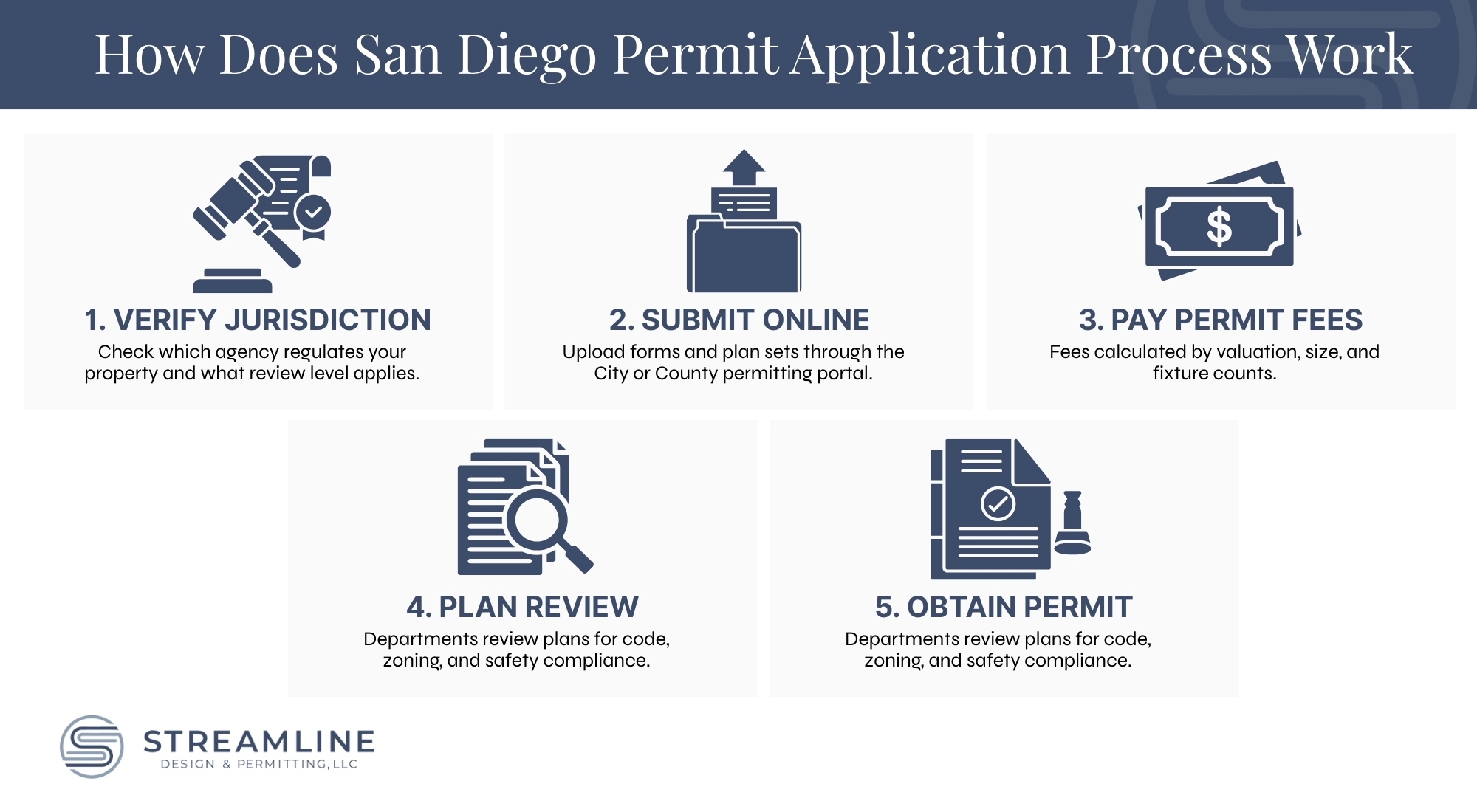
Obtaining building permits follows a structured sequence through local building departments, with each step critical to avoiding denied permits or extended review timelines.
Verifying Jurisdiction and Requirements
Use official lookup tools to confirm which agency governs your property. Most commercial projects, residential additions, and structural modifications undergo formal plan review, evaluating submissions against safety codes and zoning regulations, while simple projects like water heater replacements may receive over-the-counter approval.
Submitting Through Digital Portals
Create accounts on the City of San Diego's online portal or County permitting system, upload all forms and construction plans in required digital formats, and select accurate project classifications while verifying property ownership.
Fee Payment and Review Timeline
Building departments calculate fees based on project valuation, square footage, and fixture counts. ADU permit costs are often different from standard additions due to development impact fees and separate utility considerations.
Receiving Approved Permits
Approved applications receive stamped plan sets and official permit cards for display at job sites. Keep approved construction plans on-site throughout work, so the inspector can reference them during scheduled inspections.
Managing Inspections and Maintaining Permits
Building permits need ongoing compliance through scheduled inspection sequences verifying work quality at critical construction phases.
Required Inspection Milestones
Construction projects need inspections at multiple stages:
- Foundation inspections before concrete pours.
- Framing inspections verifying structural elements.
- Rough-in inspections for plumbing, electrical, and mechanical systems.
- Insulation verification before wall closure.
- Final inspections confirming overall code compliance.
You can schedule all inspections through online portals. San Diego mandates that work starts within 180 days of permit issuance and inspections every 180 days to maintain permit status. Expired permits incur reactivation fees and potential plan re-review.
Construction Project Coordination
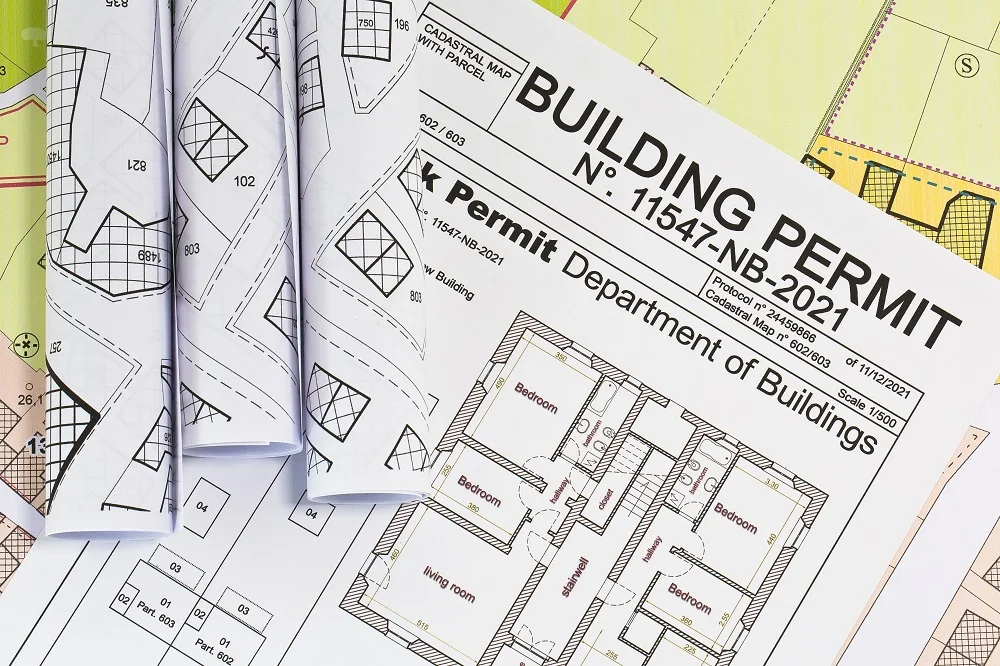
As we noted, work must start within 180 days of permit issuance in San Diego. Inspections must also occur every 180 days. Effective construction project management coordinates permit timelines with inspection schedules while maintaining communication with building departments.
Permit Costs and Approval Timelines
Building permit fees and processing timeframes vary significantly based on project scope, property location, and jurisdiction requirements.
San Diego Building Permit Fees
Permit fees reflect project valuation, square footage, and complexity. Typical fee ranges include:
- Minor electrical or plumbing permits: $150-$800.
- Moderate kitchen or bathroom remodels: $1,000-$4,000.
- Substantial room additions and structural changes: $4,000-$12,000.
- New ADU construction: $3,000-$20,000 depending on size.
- Development impact fees for projects exceeding thresholds: $5,000-$22,000.
Factors like property characteristics, including zoning designations, environmental factors, and utility connection requirements, impact permit costs. The City of San Diego and the County maintain separate fee schedules affecting total project expenses.
Expected Processing Timeframes
Simple over-the-counter permits process within 1-3 weeks, while standard remodels requiring plan review take 2-6 weeks. Room additions typically need 2-4 months, ADU applications require 3-6 months, and coastal zone projects extend to 6-12 months or longer.
Common Permit Mistakes and Denied Permits
It’s common for building departments to issue denied permits when applications fail to meet submittal requirements or violate zoning regulations. Recognizing common mistakes helps property owners prepare complete applications that pass initial review and avoid correction cycles that extend project timelines.
Frequent denial causes include:
Incomplete Documentation
Incomplete applications are the main cause of denial. Missing structural calculations, inadequate site plans, or partial Title 24 documentation trigger immediate rejection. Building departments require complete plan sets with all consultant reports during initial submission to begin review processes.
Zoning and Code Violations
Zoning violations often result in denied permits. Projects exceeding height limits, violating setback requirements, or surpassing lot coverage maximums face rejection until plans conform to applicable zoning regulations. There are additional restrictions for coastal properties through Coastal Commission review that can cause permit denials.
Inadequate Technical Details
Building departments deny permits that don’t have sufficient technical specifications. Structural plans must show load paths, connection details, and material specifications. Energy calculations require complete building envelope data. If there’s incomplete technical documentation, this results in denial until draftsmen and engineers provide the missing information.
Budget and Timeline Underestimation
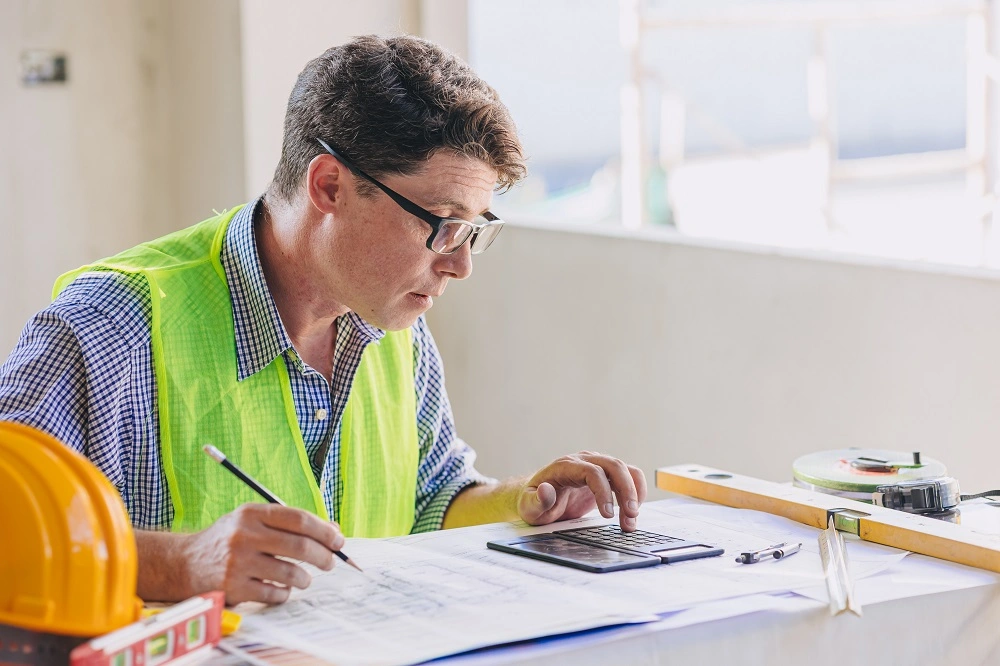
Underestimating permit approval timeframes creates construction delays when projects depend on specific start dates. Budget for multiple review cycles and potential plan revisions. Allow extra time for agency responses and correction turnaround to avoid denied permits derailing construction schedules.
Consequences of Unpermitted Work
If you build without the proper permits, this creates serious legal and financial risks that can jeopardize property ownership and construction investments. San Diego enforces strict penalties for unpermitted construction, and violations discovered during property sales or insurance claims create costly complications requiring resolution.
Property owners face multiple consequences when building without authorization:
- Stop-work orders: Code enforcement immediately halts all construction upon discovering unpermitted work, delaying project completion indefinitely.
- Financial penalties: Municipalities levy substantial fines for permit violations, with penalties escalating for continued non-compliance.
- Insurance complications: Insurance companies may deny damage claims on unpermitted construction, leaving property owners financially exposed.
- Property sale issues: Title companies flag code compliance problems requiring resolution before closing, potentially killing sales.
- Demolition requirements: Severe violations may mandate the complete removal of unpermitted work regardless of construction quality.
- Retroactive permit costs: Local regulations require retroactive building permits and potential reconstruction meeting current codes.
The financial and legal burdens of unpermitted work typically exceed original permit costs by thousands of dollars. Proper building permits help ensure legal compliance and protect your property’s value.
Secure Your Building Permit Successfully
Obtaining building permits in San Diego requires detailed planning, complete documentation, and navigating local regulations strategically. Successful applications demonstrate comprehensive building code understanding while meeting all safety standards and zoning requirements.
Streamline Design & Permitting provides full-service drafting services and permit management across San Diego County's 18 jurisdictions. Our team's 25+ years of combined experience guide residential and commercial projects through complex permitting requirements, preventing denied permits and ensuring smooth approval processes. Contact us to discuss your construction project and learn how our professional permit expertise accelerates approvals while maintaining complete code compliance.