Streamline Design & Permitting was recently featured on Episode 15 of BIA Talks, the official podcast of the Building Industry Association (BIA) of San Diego. The episode, titled “The Class of 2025 (The New Member),” highlighted new BIA members and their roles across San Diego’s residential development landscape.
Representing Streamline Design & Permitting, Devin Way joined the conversation to discuss pre-construction planning, permitting challenges, and what it takes to move residential projects forward efficiently in California’s complex regulatory environment.
Introducing Streamline Design & Permitting’s Approach
During the episode, Devin Way explained Streamline Design & Permitting’s role in the development lifecycle: supporting projects from the earliest planning stages through permit issuance, then transitioning the work to contractors once approvals are secured.
This phase is often overlooked or underestimated. In reality, however, it can determine whether a project moves smoothly or becomes stalled by redesigns, extended reviews, or unexpected building and permit costs. Streamline Design & Permitting’s work includes feasibility analysis, design coordination, engineering support, and full permit management, all structured to reduce friction before construction begins.
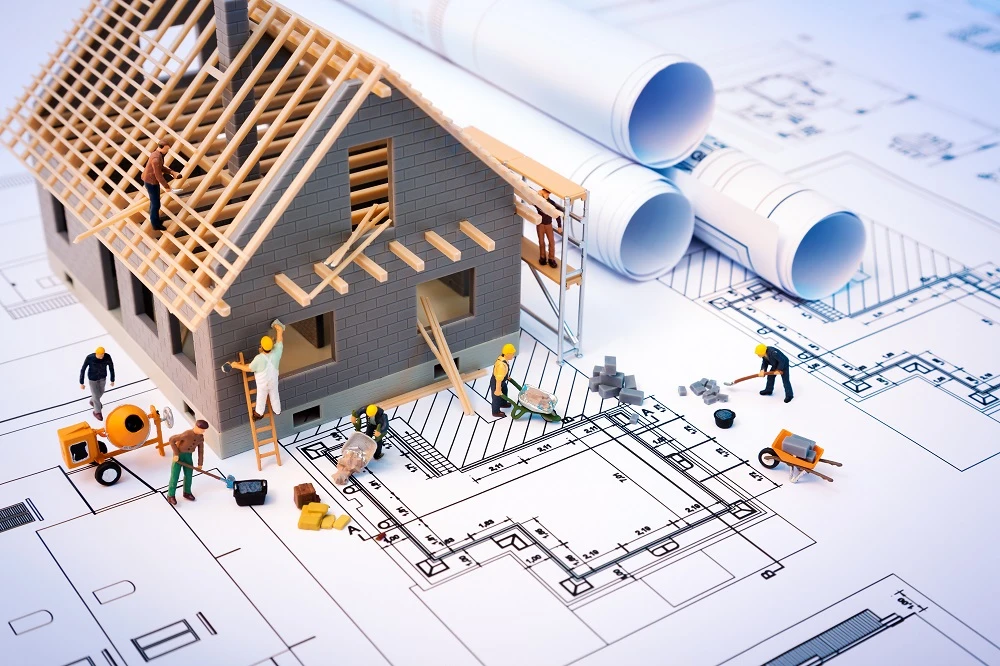
The technical drafting firm primarily supports residential projects, including single-family homes (junior ADUs), accessory dwelling units (ADUs), and multifamily developments. With ADUs continuing to be a major driver of residential growth in California, Devin emphasized the need for a disciplined pre-construction process that accounts for zoning rules, municipal requirements, and realistic construction constraints from day one.
Why Pre-Construction Sets the Tone for the Project
One of the central themes Devin returned to throughout the episode was predictability. In his view, clients don’t just want permits; they want clarity.
Pre-construction is where expectations are set:
- How long reviews are likely to take.
- Where costs may shift.
- What trade-offs may be required to stay within budget.
- How design decisions affect long-term feasibility.
Devin described how Streamline Design & Permitting acts as a coordinator across multiple disciplines, including surveying, civil engineering, structural engineering, and with other consultants. This approach ensures that projects don’t move forward in isolation. When teams work from the same assumptions early, fewer surprises surface later.
Managing Cost Pressure in a Shifting Market
Another topic Devin addressed candidly was the reality of rising construction costs. In today’s market, it’s not uncommon for pricing to increase significantly between plan submission and the start of construction.
In some cases, bids come back significantly higher than anticipated, forcing projects to be redesigned to remain financially viable. Devin explained that Streamline Design & Permitting regularly helps clients navigate these situations by identifying alternatives early, adjusting layouts, materials, or technical details before permits are finalized.
This proactive approach can help avoid a common scenario: spending months in plan review only to discover that the approved design no longer aligns with the project budget.
Communication as a Core Deliverable
Beyond technical coordination, Devin highlighted communication as one of Streamline Design & Permitting’s most important responsibilities. In many cases, clients often feel disconnected during pre-construction, unsure where their project stands or what the next milestone will be.
With Streamline Design & Permitting, this is never the case. The team prioritizes transparency, keeping clients informed about timelines, agency feedback, and next steps, so they’re never left wondering whether progress is being made. That clarity becomes especially valuable when projects encounter inevitable hurdles during municipal review.
Rather than asking clients to simply “trust the process,” Devin explained, Streamline Design & Permitting aims to show them the process as it unfolds.
Why Industry Involvement Matters

While the episode focused on new BIA members, Devin also shared why organizations like BIA San Diego play a meaningful role beyond introductions and networking events.
For him, the value lies in shared experience: learning how peers approach municipal reviews, understanding regulatory shifts, and contributing to broader conversations that affect housing delivery at the city and state levels. These exchanges can impact how firms operate and how effectively projects move through the system.
Although other participants from the episode were introduced, the conversation consistently circled back to collaboration, working alongside industry peers to improve outcomes for clients, agencies, and communities.
Lessons for Property Owners and Developers
For listeners and readers alike, Devin’s insights reinforce several key takeaways:
- Early planning reduces downstream risk.
- Pre-construction coordination saves time and money.
- Clear communication improves client confidence.
- Flexibility is essential when costs and regulations shift.
These principles apply whether the project is a single ADU or a multifamily development, and they shape how Streamline Design & Permitting approaches every engagement.
Setting Projects Up for Success
Being featured on BIA Talks reflects Streamline Design & Permitting’s ongoing commitment to disciplined planning, clear communication, and practical problem-solving in residential development. If you’re preparing to build, expand, or add an ADU in San Diego, the best next step is to contact Streamline Design & Permitting and start the conversation before permitting begins. We craft thoughtful designs created for unique outcomes.