Most ADU content focuses on rental income and added value. Here's the honest part: what's one drawback of an ADU? For most San Diego County homeowners, the biggest hurdle is upfront cost, which can be made even more frustrating by a permitting process that adds months to the project timeline. Neither is a dealbreaker, but both deserve a clear look before you design your ADU in San Diego.
The Short, Honest Answer: Cost Is the Most Consistent ADU Drawback
Ask a handful of ADU owners what they'd change about their project, and cost comes up more often than any other complaint. Here's what that typically looks like in San Diego County:
- Detached ADU (750-1,200 sq ft): $300,000 to $450,000, roughly $375 to $600 per square foot.
- Garage conversion: $80,000 to $200,000, assuming a fairly straightforward site.
- National context: The Federal Housing Finance Agency has pointed to high construction costs and limited financing options as two of the more significant barriers facing ADU development nationwide.
That national pattern aligns with what we see across San Diego County projects.
Breaking Down the Cost Drawback
Cost isn't one number. It's the sum of several smaller decisions, and each one moves the total in a different direction depending on your property and goals.
Construction and Site Costs
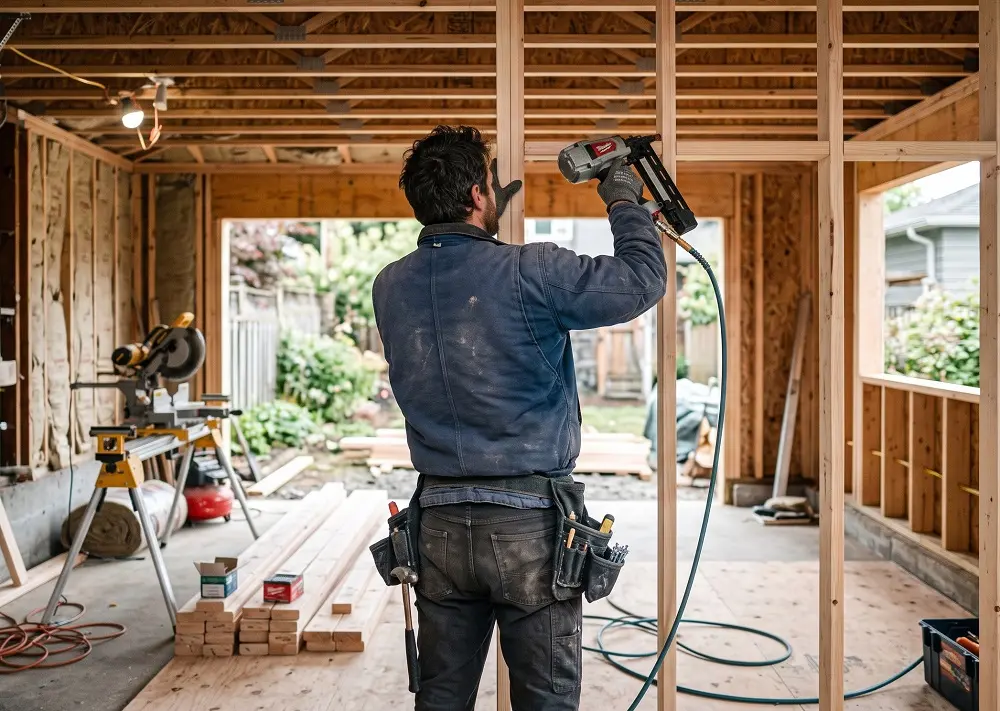
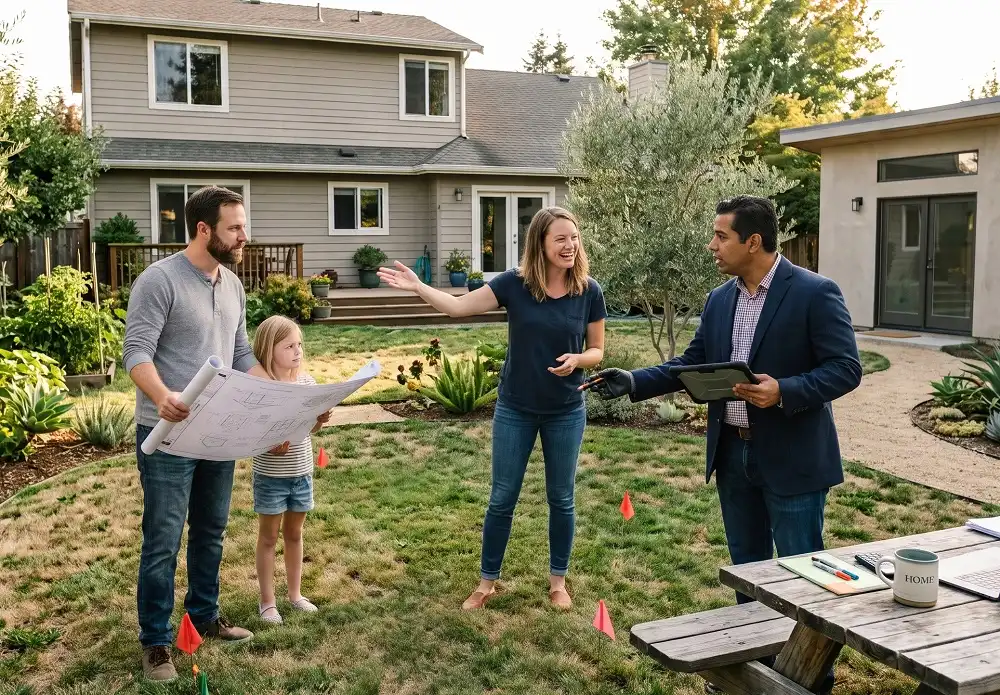
Site conditions move the number before design even starts. Flat, accessible lots in neighborhoods like Clairemont Mesa or Encanto tend to land at the lower end of the range, while hillside or canyon-adjacent parcels can add $40,000 to $80,000 in grading and drainage work alone.
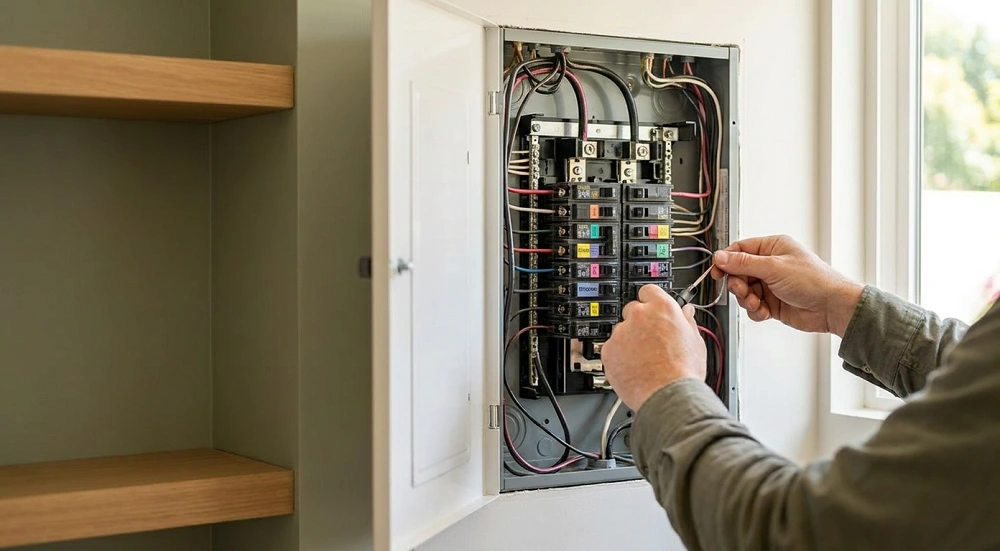
Garage conversions carry their own hidden line item. Adding a kitchen, bathroom, and HVAC system to a structure that wasn’t built for them can add $25,000 to $50,000 in mechanical, electrical, and plumbing work that isn't obvious at the start of the project.
Design and Permitting Costs
Design, engineering, and Title 24 energy compliance make up a meaningful share of the total project cost before a single shovel goes into the ground. Under SB 543, ADUs of 750 square feet or less are exempt from development impact fees. That offsets part of the cost for smaller units, though design and permit management fees still apply regardless of size.
Financing Limitations
Traditional mortgage lenders often treat ADU construction differently than a standard home purchase. Appraisers also have limited comparable sales data to draw on in markets where few ADUs have sold. That combination narrows the available financing options, pushing many homeowners toward home equity lines of credit, cash-out refinances, or construction loans instead of conventional financing. Our guide to ADU financing in San Diego walks through those options in more detail.
#cta_start
Wondering What Your ADU Would Actually Cost?
Every property is different. Get a realistic cost and timeline estimate for your specific lot before you commit to a design.
#cta_end
The Permitting Timeline Compounds the Cost Drawback
Cost and time are closely connected, since every month a project spends in plan check means another month of carrying costs without any rental income. Based on our review of City of San Diego Development Services Department data, here's a realistic timeline picture for 2026:
- Average residential permit (2024 data): Roughly 176 calendar days from submission to approval.
- Straightforward custom detached ADU, standard lot: 2.5 to 4 months.
- Complex site conditions or multiple correction cycles: 6 to 12 months.
- Coastal Zone properties: Historically no statutory deadline for a Coastal Development Permit, though AB 462, effective January 1, 2026, now caps that review at 60 days.
- Design and documentation prep, before submission: Another 1 to 2 months.
- Construction, after permit issuance: 5 to 7 months for a standard detached ADU.
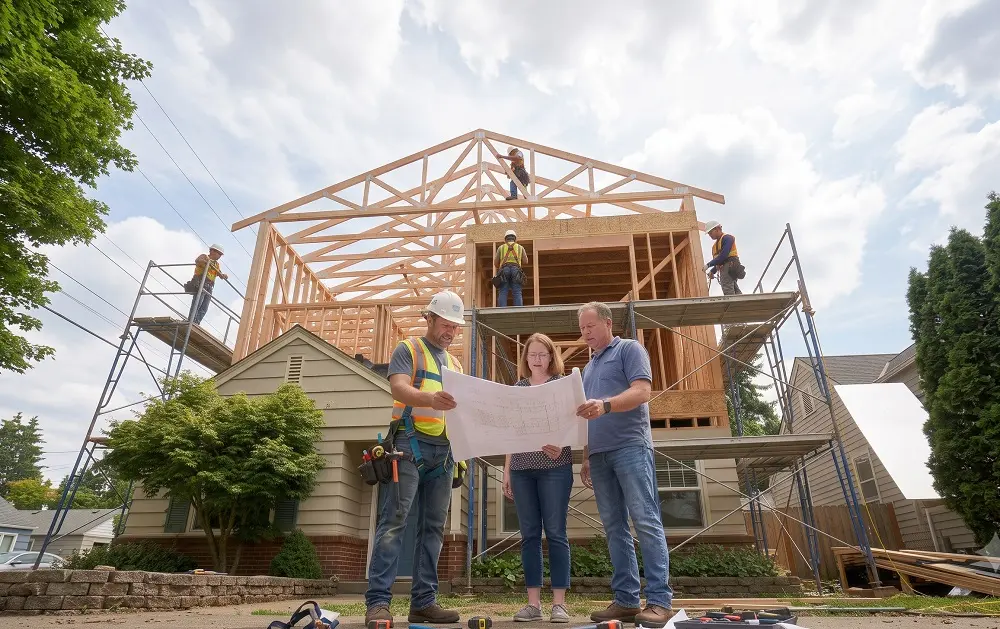
Add it up, and permitting alone can push a project's start date back by months. That’s why permitting belongs in any honest discussion of the drawbacks of building an ADU.
Other Concerns Homeowners Raise About ADUs
Cost and permitting aren't the only worries that come up in ADU conversations. Here's an honest look at three more, and what the data actually shows.
Does an ADU Hurt Resale Value?
This is one of the more persistent myths, and the data doesn't support it. FHFA's analysis of California appraisal data found that between 2013 and 2023, properties with ADUs saw annualized growth in median appraised value of 9.34%, compared to 7.65% for properties without ADUs. By 2023, the median appraised value reached $1,064,000 for California properties with an ADU, against $715,000 for those without. An ADU is far more likely to add value than to take it away.
Will It Increase My Property Taxes?

Under California's Proposition 13 framework, adding an ADU triggers a supplemental assessment on only the newly constructed square footage. Your existing home isn't reassessed at its current market value because you add a unit behind it, so any tax increase is based on the ADU's assessed value, not your entire property.
What About Appraisal and Investment Concerns?
Because ADU sales are still a relatively small share of total transactions, comparable data can be lacking in some neighborhoods, and lenders sometimes value a property conservatively as a result. That's a real limitation today, though it's narrowing as more ADUs get built and sold across California. For investors specifically, the math still works in most San Diego neighborhoods. Our ROI analysis by neighborhood breaks down payback periods by area, most of which land between 7 and 12 years.
How to Reduce the Cost and Timeline Drawback
The homeowners who avoid the worst version of this drawback tend to share one habit: they invest in a thorough pre-construction phase before design begins. A site assessment confirms buildable area, utility capacity, and site-specific cost drivers before you commit to a layout, and a complete, code-compliant submittal package reduces correction cycles, which is where most permitting delays actually happen.
Choosing the ADU type based on your goals rather than assumptions can make just as much difference. Whether that's a garage conversion, an attached unit, or a detached ADU, matching the type to your goals keeps the budget aligned with what your property can realistically support.
Is the Drawback Worth It?
Cost and permitting timelines are real, and any honest conversation about ADUs has to start there. But neither is a reason to walk away from a project that, done right, still adds meaningful value and income potential to a San Diego property. The difference between a smooth project and a frustrating one usually comes down to how well the pre-construction phase is handled. Contact Streamline Design & Permitting for a free consultation, and we'll give you a realistic picture of cost, timeline, and what your specific property can support before you commit to anything.