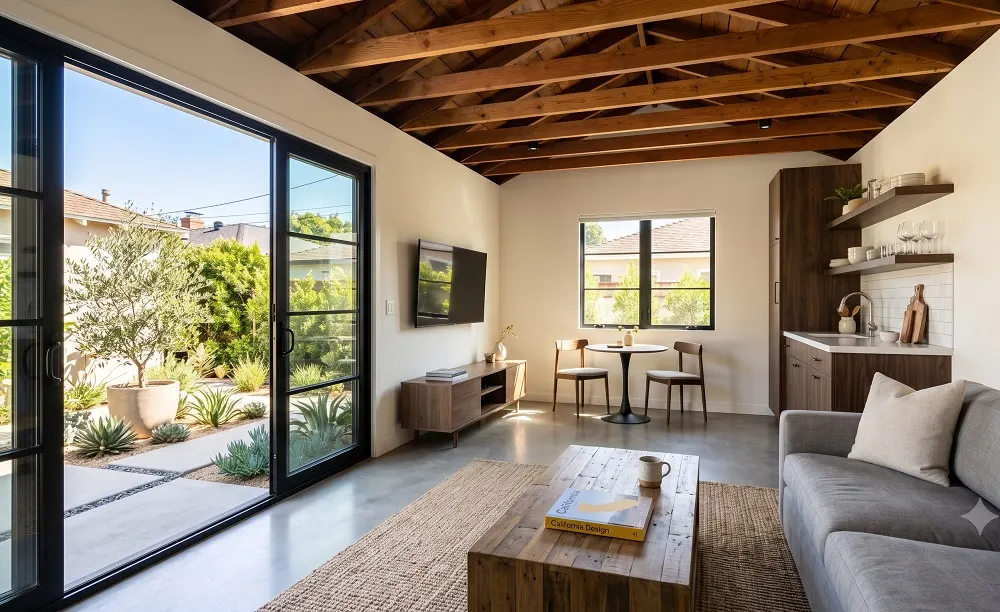
If you’re building an accessory dwelling unit (ADU) in San Diego, you don’t have to start from scratch. With the city’s pre-approved ADU plan program, homeowners now have access to ready-made designs that can simplify the process, reduce costs, and speed up permitting.
In this guide, our experts break down how pre-approved plans work, their benefits and limitations, and how to use them effectively. Our goal is to help you move from idea to approved project with greater clarity and confidence.
What Are Pre-Approved ADU Plans in San Diego?

Planning to build an accessory dwelling unit (ADU) in San Diego? You’ve likely encountered the city’s pre-approved ADU plan program. For many homeowners, this program offers a faster and more cost-effective alternative to starting a design from scratch.
Pre-approved ADU plans are ready-made home designs that have already been reviewed for general compliance with San Diego’s zoning and building codes. Drafters and designers draft these plans, which are then submitted to the city for preliminary approval before being added to a public catalog.
This means homeowners can start with a vetted design instead of going through a full custom design process. While these plans still require project-specific adjustments, they can significantly reduce the time and uncertainty typically associated with ADU design and permitting.
Why Homeowners Are Choosing Pre-Approved ADU Plans
As ADUs continue to grow in popularity across San Diego County, many homeowners are looking for ways to reduce costs and accelerate timelines. Pre-approved plans address both concerns.
They offer a clear starting point, reduce design ambiguity, and help align your project with local regulations from the start. For homeowners focused on rental income, multigenerational housing, or increasing property value, this approach makes the process more approachable and predictable.
At the same time, it’s important to understand how these plans fit into the broader pre-construction process and where additional work remains required.
How San Diego’s Pre-Approved ADU Program Works

The City of San Diego maintains a catalog of ADU plans that homeowners can browse and select from. These plans vary in size, layout, and architectural style, offering options for different property types and project goals. Once you’ve identified a plan that fits your needs, here are the steps you can expect:
1. Browse the ADU Plan Catalog
Start by reviewing available pre-approved designs. Look at square footage, layout efficiency, and how each plan might fit on your lot.
2. Select a Base Plan
Choose a plan that aligns with your intended use; whether that’s long-term rental, guest housing, or family occupancy.
3. Evaluate Your Property
Before moving forward, it’s essential to confirm that the selected plan works with your lot size, ADU setbacks, and access conditions.
4. Make Site-Specific Adjustments
Even pre-approved plans must be adapted to your specific property, including foundation details, utility connections, grading, and structural adjustments.
5. Submit for Permit Approval
Once finalized, we submit the plan to the city along with required documentation, including energy compliance and site plans.
California ADU Regulations You Should Know
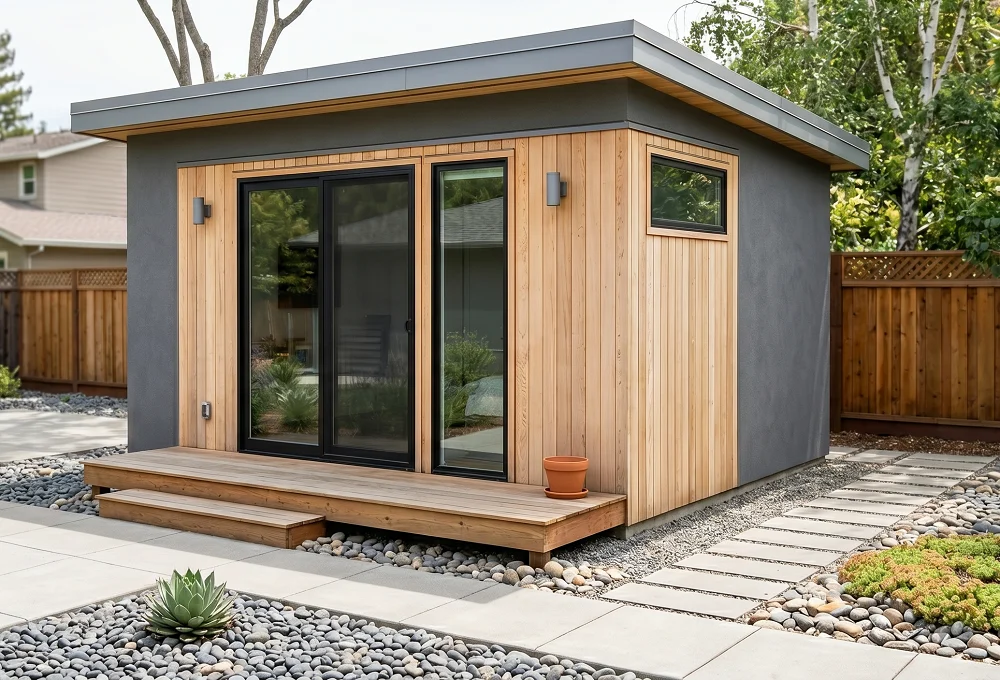
Pre-approved ADU plans can significantly streamline the design process, but they must still comply with California’s legal and energy regulations. Under the California Building Standards Code, all ADUs are required to meet strict energy efficiency standards established by the California Energy Commission. This ensures that new residential units are designed to reduce energy consumption, improve comfort, and support long-term sustainability goals.
In addition to energy compliance, California Government Code Section 65852.2 defines how ADUs are regulated statewide. This law limits how much local jurisdictions can restrict ADU development and often requires ministerial (non-discretionary) approval when projects meet objective standards. As a result, homeowners using pre-approved ADU plans can benefit from faster approvals, but only if their project aligns with zoning, site conditions, and building requirements.
It’s also important to recognize that pre-approved plans don’t eliminate compliance obligations. Requirements such as Title 24 energy calculations, potential solar system integration, and site-specific adjustments still apply. The earlier you take these factors into account, the smoother the process and the more you can fully leverage the speed and cost benefits of pre-approved ADU designs.
What’s Included in Pre-Approved ADU Plans
Pre-approved ADU plans provide a strong foundation for your project. Most plans include:
- Floor plans and elevations
- Basic structural concepts
- General compliance with building codes
- Standard layouts optimized for efficiency
However, they don’t include everything needed for construction or permitting. Missing components typically include:
- Site-specific engineering
- Utility and drainage plans
- Title 24 energy calculations
- Detailed structural analysis
This is where working with a pre-construction team becomes essential.
Benefits of Using Pre-Approved ADU Plans

Faster Design Phase
Because the base design is already complete, you can skip the early conceptual stages and move more quickly into permitting.
Lower Upfront Costs
Pre-approved plans often reduce design costs, making ADU projects more accessible for homeowners.
Reduced Risk During Plan Check
Plans that already align with San Diego’s codes are less likely to trigger major corrections during review.
Predictable Outcomes
Standardized designs bring predictability to budgeting, planning, and construction.
Limitations to Consider Before You Choose
While pre-approved ADU plans offer clear advantages, they aren’t a perfect fit for every project.
First, these plans are not fully permit-ready on their own. They must be adapted to your specific property conditions, which can still require time and coordination.
Second, they may not fully optimize your lot. A custom design can sometimes unlock better layouts, maximize square footage, or improve long-term value.
Finally, site constraints such as slope, access, or utility locations can limit how easily a pre-approved plan can be applied.
By recognizing these limitations up front, you can make more informed and confident decisions moving forward.
Pre-Approved vs. Custom ADU Plans
Choosing between a pre-approved ADU plan and a custom design depends on your project goals, property conditions, and long-term priorities. Below, we’ve compared the key differences between these two approaches.
For homeowners prioritizing reduced upfront costs and a shorter early design phase, pre-approved plans can serve as a practical and efficient starting point. For those seeking greater flexibility, stronger site-specific planning, and better long-term value, a custom ADU design is often the more strategic investment.
At Streamline Design & Permitting, every service we provide is prepared with exceptional attention to detail, and our clients choose us for the unmatched quality we deliver at a fair and justified price.
How to Use Pre-Approved ADU Plans Effectively
A strategic approach is the best way to get the most benefit from San Diego’s ADU plan program.
Start with a Property Assessment
Before selecting a plan, evaluate your lot conditions, including setbacks, easements, and utility access. This ensures the plan you choose can actually be implemented.
Align the Plan with Your Goals
Think about how the ADU will be used. Rental units, guest spaces, and family housing may require different layouts and features.
Integrate Compliance Early
Even with pre-approved plans, you’ll still need to address:
- Title 24 energy calculations
- Building code compliance
- Site-specific documentation
Handling these early helps prevent delays later.
Coordinate with Professionals
Working with a pre-construction team ensures that your selected plan is properly adapted and submitted without unnecessary complications.
Practical Considerations for San Diego Homeowners
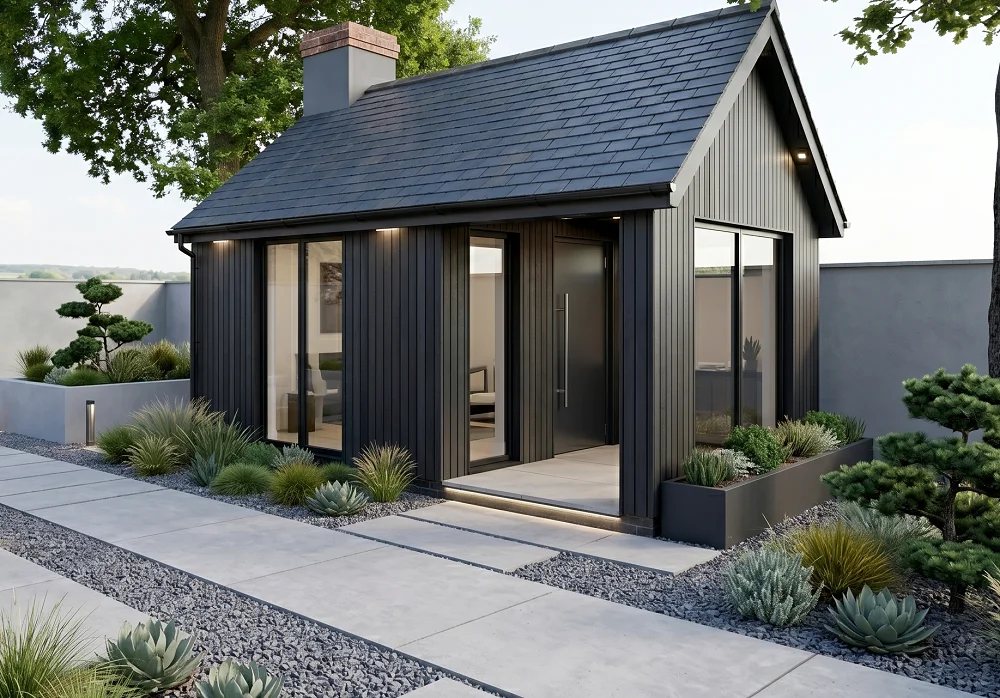
San Diego’s ADU regulations are designed to encourage development, but each property has unique challenges.
Some key factors that can influence your project include zoning overlays, coastal regulations, and environmental constraints. Properties in certain areas may require additional review or documentation.
Utility connections are another important consideration. Water, sewer, and electrical capacity can impact both cost and feasibility.
Construction logistics (such as access, grading, and site layout) also play a role in how easily a plan can be implemented.
We recommend taking these factors into account early to help create a smoother path from design to approval.
Supporting Your ADU Project from Start to Permit
At Streamline Design & Permitting, we focus on pre-construction services that simplify complex projects.
For homeowners using pre-approved ADU plans, we provide support with:
- Evaluating plan compatibility with your property
- Adapting designs to meet site-specific requirements
- Preparing permit-ready drawings and documentation
- Coordinating Title 24 energy calculations
- Navigating local building department requirements
It’s our goal to help you move efficiently from plan selection to permit approval without unnecessary delays or surprises.
Is a Pre-Approved ADU Plan Right for You?
San Diego’s pre-approved ADU plans can save time and simplify permitting. Starting with a city-vetted design gives homeowners a clearer, more efficient path to building an ADU. Still, success depends on selecting a plan that fits your property and adapting it to site-specific needs.
With the right guidance, pre-approved plans can help you add rental income, create space for family, or increase property value. Ready to move forward? Contact our team to choose the right plan and fast-track your ADU project.