Building a guest house in California can feel straightforward at first, but here’s what many homeowners overlook: your ability to build isn’t just about having space. Local zoning rules, setbacks, property layout, and how you plan to use the unit all play a major role in what’s actually possible.
Working with our specialists from Streamline Design & Permitting helps simplify the process by turning complex regulations into clear, actionable steps. So, your project stays compliant and moves forward without unnecessary delays. This guide walks you through what determines whether you can build a guest house on your property and how to plan it the right way from the beginning.
What Is a Guest House?
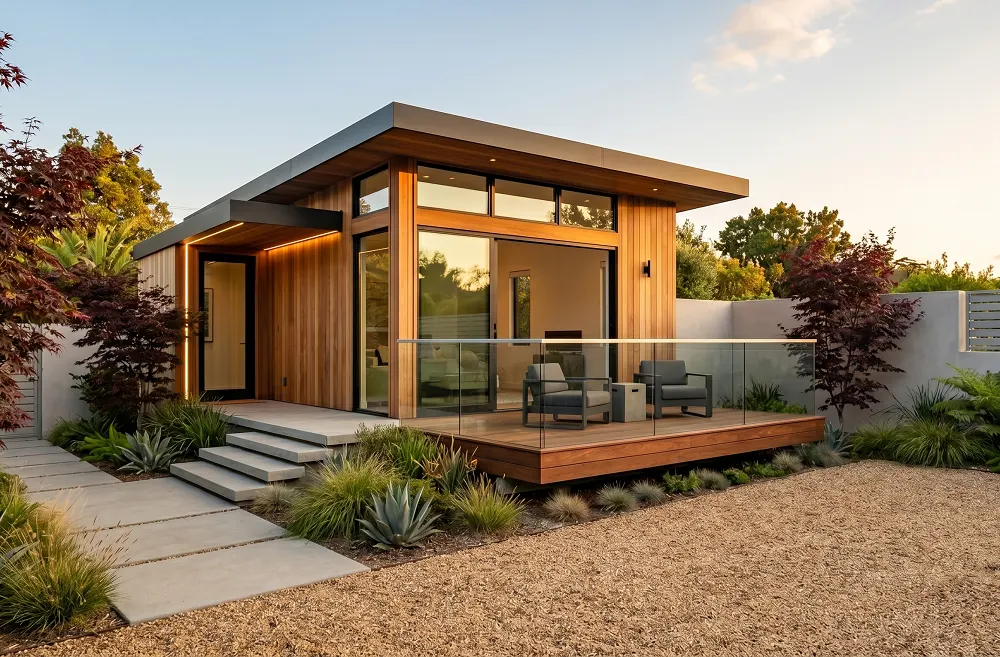
A guest house is typically a secondary living space located on the same property as your main home. It can be used for:
- Hosting family and visitors
- Multigenerational living
- Rental income (if permitted)
- Home office or flexible space
However, in San Diego and across California, guest houses are categorized into specific legal definitions.
Accessory Dwelling Unit (ADU)
A San Diego ADU is a fully independent residential unit that includes a kitchen, bathroom, and sleeping area. It can be:
Junior ADU (JADU)
A smaller unit (JADU) within the main home (up to 500 sq ft), typically with a kitchenette and shared or private bathroom.
Guest Quarters / Guest House (Limited Use)
Some jurisdictions allow guest quarters without full kitchens. These are usually:
- Not rentable
- Limited in size
- Restricted to temporary use
Key takeaway: If you want flexibility and long-term value, building an ADU is often the most practical path.
Can You Build a Guest House on Your Property in San Diego?
For most homeowners in San Diego, the answer is yes — thanks to California’s pro-housing laws that limit how restrictive local jurisdictions can be.
Under California Government Code §§ 66310–66342, cities and counties must allow Accessory Dwelling Units (ADUs) on residential properties. An ADU (often referred to as a guest house) is defined in § 66313 as a secondary unit with full living facilities, including a kitchen and bathroom.
State law also guarantees key rights. Under § 66323, qualifying ADUs must be approved ministerially, meaning no discretionary review or public hearings. This includes the ability to build:
- At least one ADU (and one JADU) on a single-family lot
- A detached ADU up to 800 sq ft with 4-foot setbacks, which cannot be denied if it meets basic standards
At the same time, § 66314 ensures that local regulations cannot be so restrictive that they prevent ADU development.
However, San Diego’s local rules still influence details like maximum size, placement, and design, meaning state law gives you the right to build, while local codes define how your project takes shape.
What Determines If You Can Build One?
Before starting your project, several factors will define what’s possible:
Zoning & Property Type
Most single-family and many multi-family properties qualify, but zoning determines how many units and what type you can build.
Lot Size & Layout
Your available space impacts placement, setbacks, and overall design flexibility.
Setbacks & Height Limits
California allows reduced setbacks (often 4 feet), but local codes may influence height and positioning.
Existing Structures
Garage conversions, home additions, or new detached units all have different requirements.
Utility Access
Water, sewer, and electrical capacity can impact both feasibility and cost.
Guest House Size Limits in San Diego
Size limits depend on both state allowances and local regulations:
- 800 square feet: Typically allowed with minimal restrictions.
- Up to 1,200 square feet: Allowed in many areas with additional considerations.
- JADUs: Limited to 500 square feet.
Some cities may have slightly different limits, so it’s important to verify the requirements for your specific location.
Requirements You’ll Need to Meet
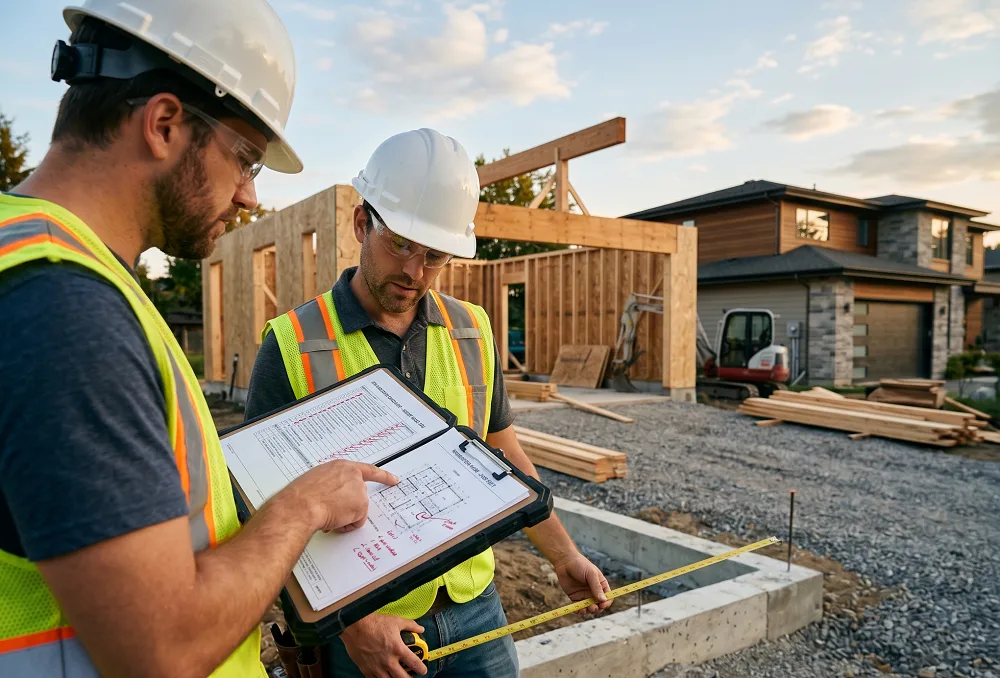
Building a guest house or ADU involves several compliance steps:
Zoning Compliance
Your property must be in a residential zone that allows accessory structures.
Setbacks & Placement
Most ADUs require at least 4-foot side and rear ADU setbacks, though this may vary.
Parking Rules
Parking is often waived, especially if you’re near public transit or converting existing space.
Utilities
You may need upgrades to electrical panels or sewer connections, depending on your project.
Permits & Documentation
You’ll need:
- Architectural plans
- Structural drawings
- Title 24 energy calculations
The Benefits of Building a Guest House
Financial Benefits
Adding a guest house or ADU can significantly increase your property’s value. Many homeowners also use these units to generate rental income, helping offset mortgage costs.
Lifestyle Benefits
Guest houses provide flexible living solutions, including:
- Space for family members
- Private accommodations for visitors
- Home offices or creative studios
- Long-term housing for aging parents
How Much Does It Cost to Build a Guest House?
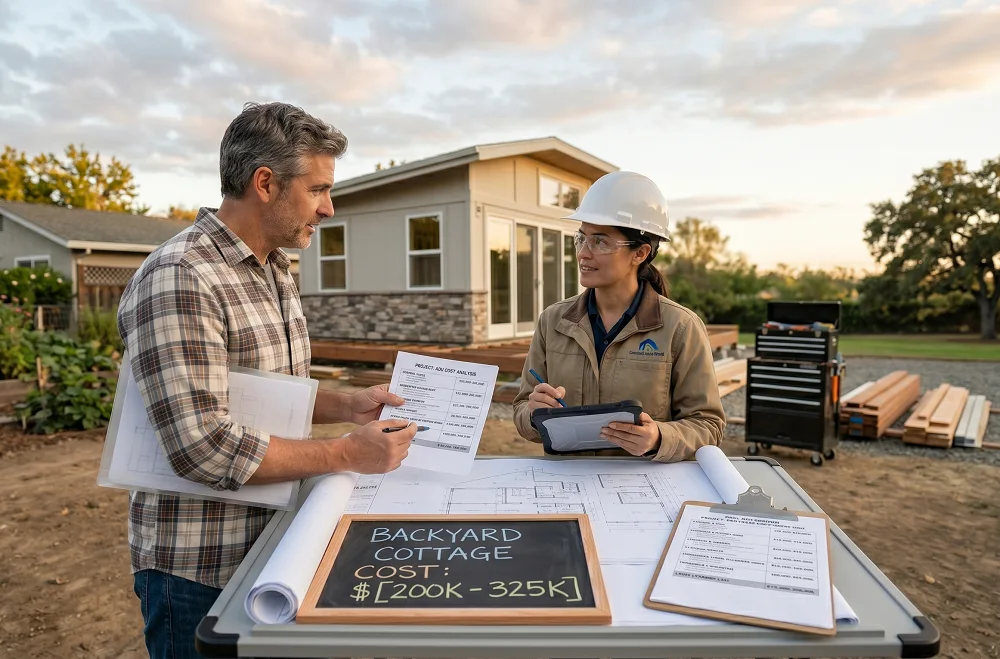
Size, design, and site conditions all impact costs. In San Diego, most projects fall within:
- $300,000 to $500,000 total cost
- $350–$600 per square foot
This typically includes:
- Design and permitting
- Construction
- Site work and utilities
Important: Site conditions (like slope, access, or utility upgrades) can significantly impact pricing.
How to Build a Guest House
Building a guest house involves several key steps, from early planning to final construction.
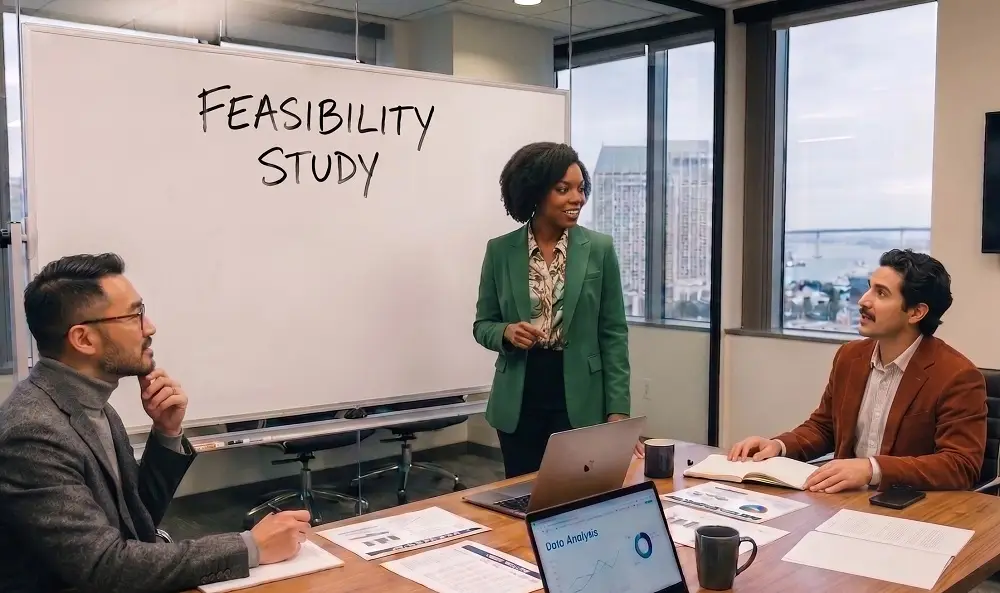
Start with a Feasibility Study
This is the most important step. It determines what’s possible based on zoning, site conditions, and regulations.
Choose Your Approach
Decide between:
- Custom design
- Pre-approved ADU plans
- Conversion of existing space
Design Your Plans
Create permit-ready drawings that align with your goals and comply with local codes.
Complete Title 24 Energy Compliance
Energy calculations are needed to meet California standards.
Submit for Permits
Your plans go through the city review for approval.
Build Your Project
Once approved, construction starts, followed by inspections.
Construction Options to Consider
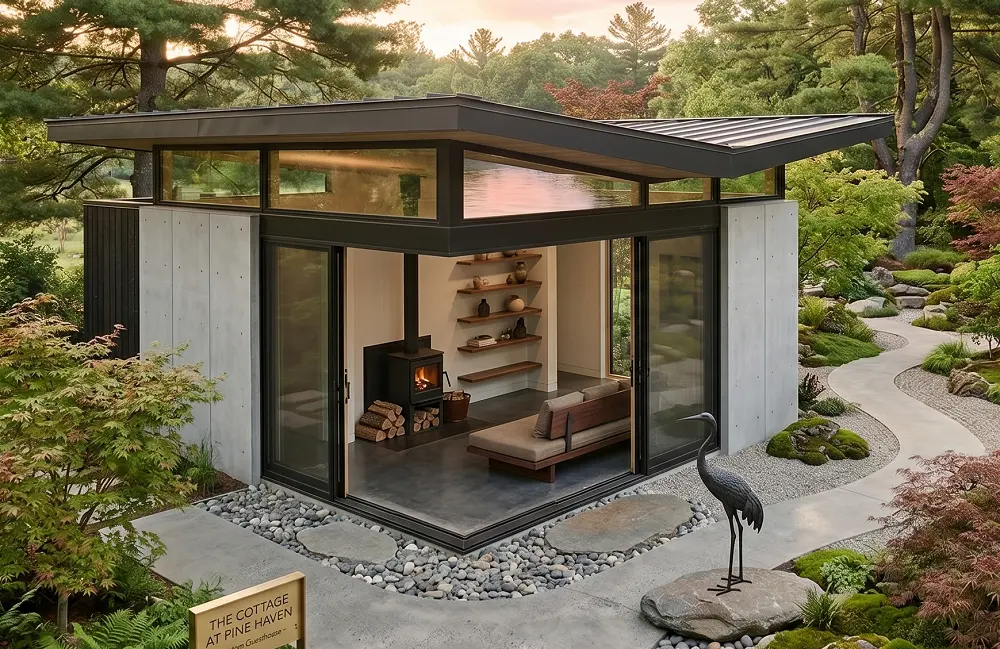
Choosing the right approach depends on your budget, timeline, and the level of customization you want.
- Custom guest house: Best for homeowners who want full control over layout and design.
- Pre-approved plans: A faster, more cost-effective option using city-reviewed designs.
- Garage conversion: Often the most affordable option, if the existing structure is suitable.
Designing a Guest House That Works
A successful design balances functionality, privacy, and long-term flexibility.
Smart Layout Planning
Efficient layouts can make smaller spaces feel larger and more livable.
Privacy & Placement
Consider:
- Separate entrances
- Window placement
- Landscaping buffers
Future-Proofing
Design with flexibility in mind. Whether for aging family members or future rental use.
Common Challenges Homeowners Face
Despite simplified regulations, challenges can arise:
- Confusion around zoning and terminology
- Plans that don’t meet code requirements
- Unexpected costs or delays
- Permit rejections
Working with an experienced design and permitting team helps you avoid these issues early.
Is Building a Guest House Worth It?
For most homeowners, the answer is yes. But choosing the right approach is pivotal to your success.
Understanding the difference between a guest house and an ADU, planning for compliance early, and working with the right team can save you time, money, and frustration. With the right strategy, your guest house can become one of the most valuable and versatile additions to your property.
Ready to get started? Contact Streamline Design & Permitting to explore the best options for your property and move your project forward confidently.


.webp)