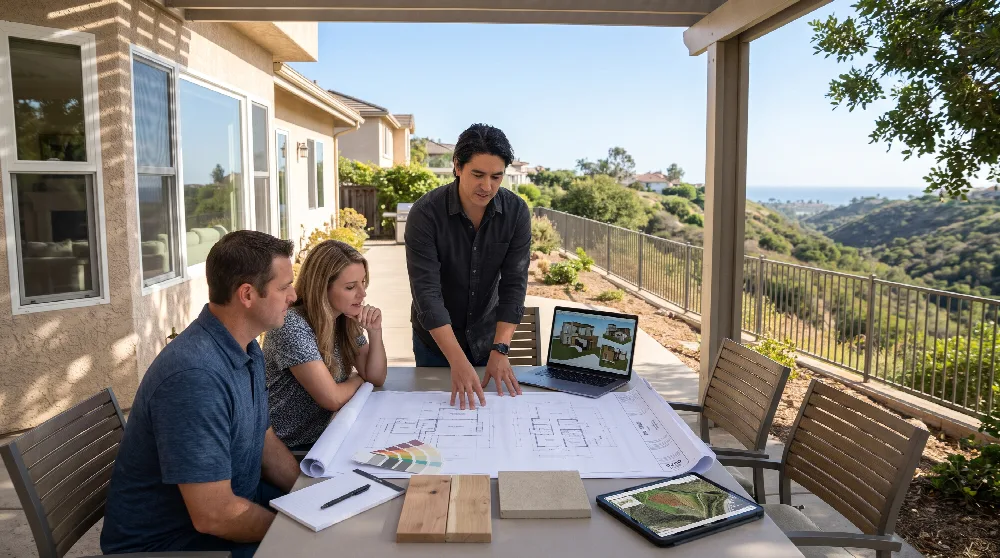
In one weekend, you can change a bathroom with a new vanity and fresh paint, with no paperwork. Moving a shower drain or taking out a wall is a different story. Below, our team at Streamline Design & Permitting explains which upgrades need a permit and what the City expects, using the same rules that guide our San Diego bathroom remodeling projects.
The Short Answer: It Depends On What's Behind the Walls
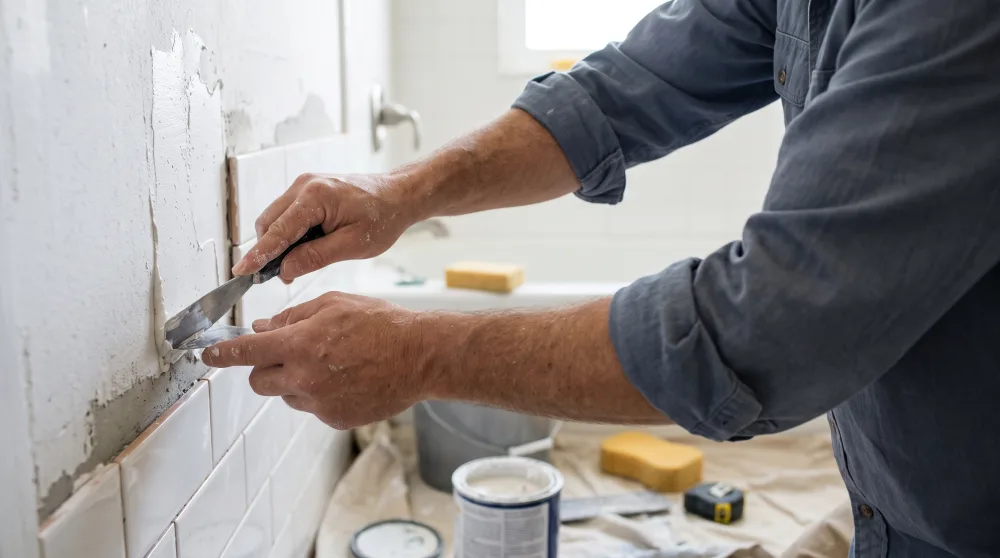
Surface-level updates generally don't require a permit. Work that changes plumbing, wiring, ventilation, or structure does. The City's homeowner guide, When Is a Permit Required?, lists painting, wallpapering, and installing flooring or cabinets as permit-free, while work such as adding circuits or replacing a water heater requires a permit.
A good rule of thumb: if the work only changes the surface, you likely won’t need a permit. If it involves opening or altering walls, floors, or ceilings, expect to need one.
Bathroom Updates You Can Usually Make Without a Permit
Under San Diego Municipal Code §129.0203, painting, finish work, floor covering, and cabinet work are exempt from a building permit. The City’s guide also exempts like-for-like maintenance and repairs under $1,000. In practice, these bathroom projects typically don't need a permit:
- Painting walls and ceilings or hanging wallpaper;
- Replacing floor tile, vinyl, or other floor covering;
- Installing a new vanity cabinet in the same location;
- Swapping a faucet or showerhead, or adding mirrors, towel bars, and shelving;
- Replacing light fixtures, switches, or outlets in their existing locations;
- Replacing a tub with a tub, or a shower with a shower, of the same size and in the same spot.
The last item comes from the City's Information Bulletin 203, which confirms that same-size, same-location tub and shower replacements need no building permit.
These exemptions don't eliminate separate electrical, plumbing, or mechanical permit requirements, nor do they apply to designated historic properties. Exempt work also still has to meet code.
Bathroom Remodels That Require a Permit
Once a project changes how water, power, or air moves through the room, or alters its framing, the City needs to review and inspect it. Here’s how common bathroom upgrades compare:
Replacing a window within its existing opening is exempt for single-family homes and duplexes under the same code section, provided the rough opening remains unchanged. Enlarging the opening or adding a new one requires a permit.
The No-Plan Permit: A Faster Route for Simple Remodels
Not every permitted bathroom remodel needs full construction drawings. According to Information Bulletin 203, the City issues no-plan building permits for remodels of existing bathrooms in single-family homes, duplexes, and apartments (Group R-3 and R-2 occupancies), as long as the work meets these conditions:
- No changes to structural elements, wall framing, or exterior walls.
- No added plumbing fixtures.
- The building was legally permitted, built, and given final approval.
You apply through the City's online portal with forms DS-345 and DS-6005, plus DS-3042 if you pull the permit as an owner-builder.
If the inspector identifies additional work beyond what was originally described, the City may require a full set of plans. Homes that are 45 years or older may also require historic review, a process the bulletin estimates takes about 10 business days.
Code Upgrades a Permitted Bathroom Remodel Can Trigger
Once a permit is open, the inspector checks more than the items you planned to change. These state requirements come up most often.
Water-Conserving Plumbing Fixtures
Under California Civil Code §1101.4, a permitted alteration to a single-family home requires replacing noncompliant plumbing fixtures with water-conserving models before final approval. That includes toilets that use more than 1.6 gallons per flush, showerheads that exceed 2.5 gallons per minute, and interior faucets that exceed 2.2 gallons per minute, regardless of where they’re located in the home.
Exhaust Fan with Humidity Control
The California Green Building Standards Code (CALGreen), Section 4.506.1, requires an ENERGY STAR exhaust fan ducted to the outdoors in every bathroom with a tub or shower. Unless the fan is connected to a whole-house ventilation system, it must have a humidistat that can be adjusted between 50–80 percent relative humidity. Older fans on a simple wall switch often fail this check.
GFCI-Protected Outlets
The California Electrical Code requires ground-fault circuit interrupter (GFCI) protection for every bathroom outlet and a dedicated 20-amp circuit for bathroom receptacles. Homes wired before these requirements took effect may need new outlets or circuit upgrades during the remodel to meet current code.
What Happens If You Skip the Permit
Unpermitted bathroom work rarely stays hidden. These are the most common ways it comes back:
- Code enforcement: A complaint or a visible renovation can lead to a stop-work order, and the work will still need a permit to continue.
- Opened walls: An inspector can't approve plumbing or wiring that’s already covered, so legalizing the work later may mean removing new tile or drywall.
- Home sale issues: California sellers must disclose known alterations made without the necessary permits on the Transfer Disclosure Statement under Civil Code §1102.6, which can reduce offers or delay closing.
Outside the City of San Diego? Check Your Building Department.
The permit rules above apply only to properties within San Diego limits. Homes in unincorporated areas such as Spring Valley, Lakeside, or Ramona fall under the County of San Diego Planning & Development Services Building Division. Cities like Chula Vista, Carlsbad, Oceanside, and Escondido run their own building departments.
All of them enforce the same California codes, but exemption lists, forms, and fees can differ, so confirm which department covers your address first.
How Streamline Design & Permitting Supports Your Bathroom Remodel
Our team helps homeowners across San Diego County find the right permit path before demolition starts. We determine whether your project qualifies for a no-plan permit or requires full plan review, then prepare permit-ready drawings covering the layout, plumbing, electrical, and ventilation systems. Then we handle the submittal and plan check corrections and connect you with licensed builders once the permit is issued.
Plan Your Bathroom Remodel Around Permit Requirements
Cosmetic updates rarely need City approval, but most remodels that move fixtures, add circuits, or change walls do. If you're unsure where your project stands, contact us, and we'll walk you through the requirements for your bathroom.